
I’ve watched a lot of small-business owners post for three weeks, then disappear for months.
In my experience, it’s rarely because they run out of ideas. One post is secretly four jobs. Writing it. Designing it. Scheduling it. Remembering what’s already gone out. Each job is small. Together they’re a part-time role nobody planned for, and when the week gets busy, that role is the first thing to go.
I know because I was doing all four, for my own business, and I was getting tired of it.
Version one: Claude, Canva and Metricool
I wanted one thing to change: I should only have to supply the idea. So I built a pipeline around three tools.
Claude wrote the content. An idea went in. Claude drafted the slides and the caption in my voice, working from a written description of how I write instead of a vague prompt. That description matters more than any clever prompt. It’s the difference between a post that sounds like me and one that sounds like a brochure.
Canva designed it. I had a brand template library in Canva: a 20-slide carousel library for square posts and a 21-slide library for Reels, each page a different layout (cover, list, quote, stat, call to action and so on). Claude picked the right pages for the job, made a new copy of the template (never touching the original) and dropped the copy into the layouts.
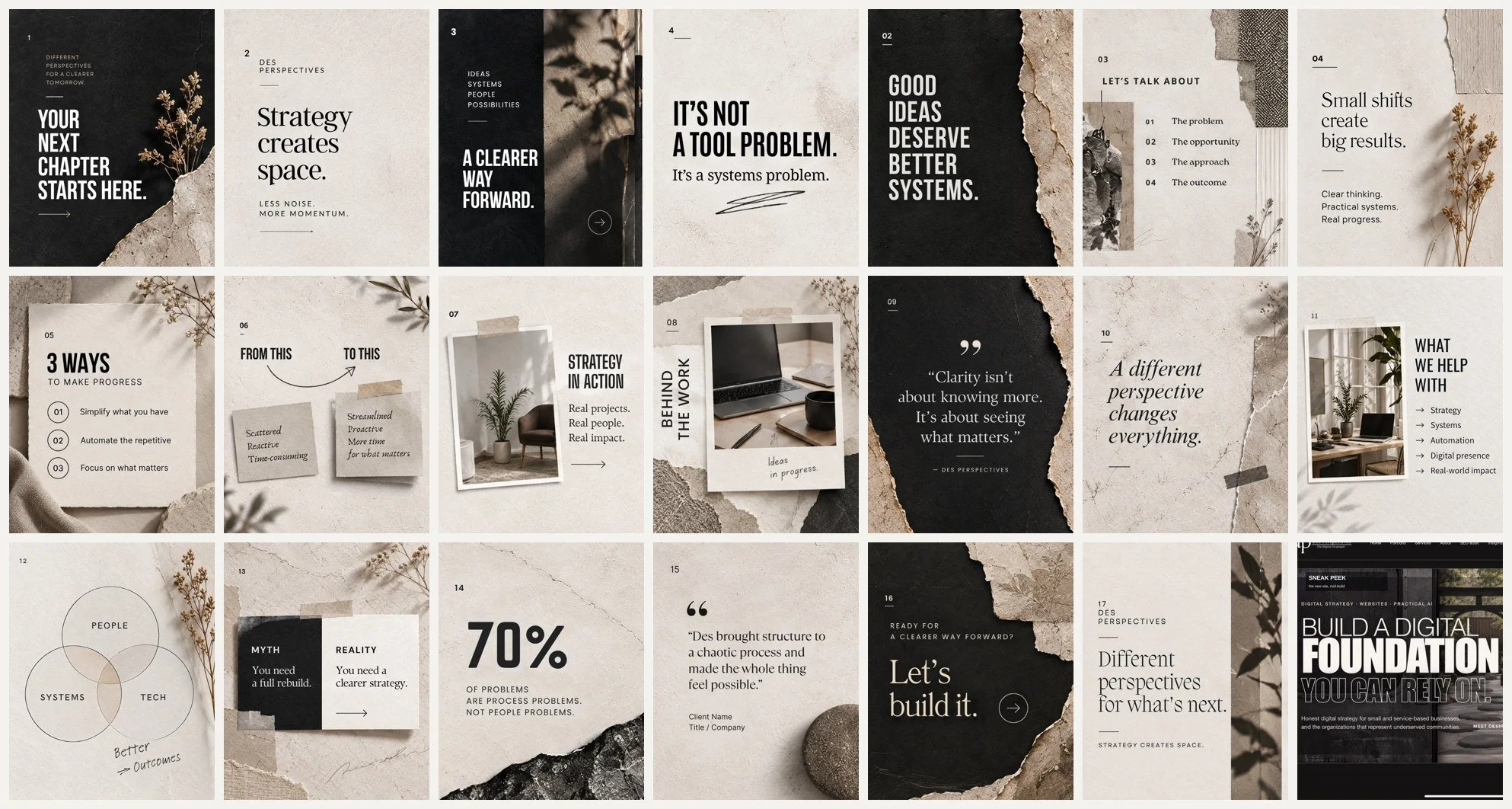
Layout of my canva templates
Metricool scheduled and posted it. The finished posts went into Metricool, which published them at the right time.
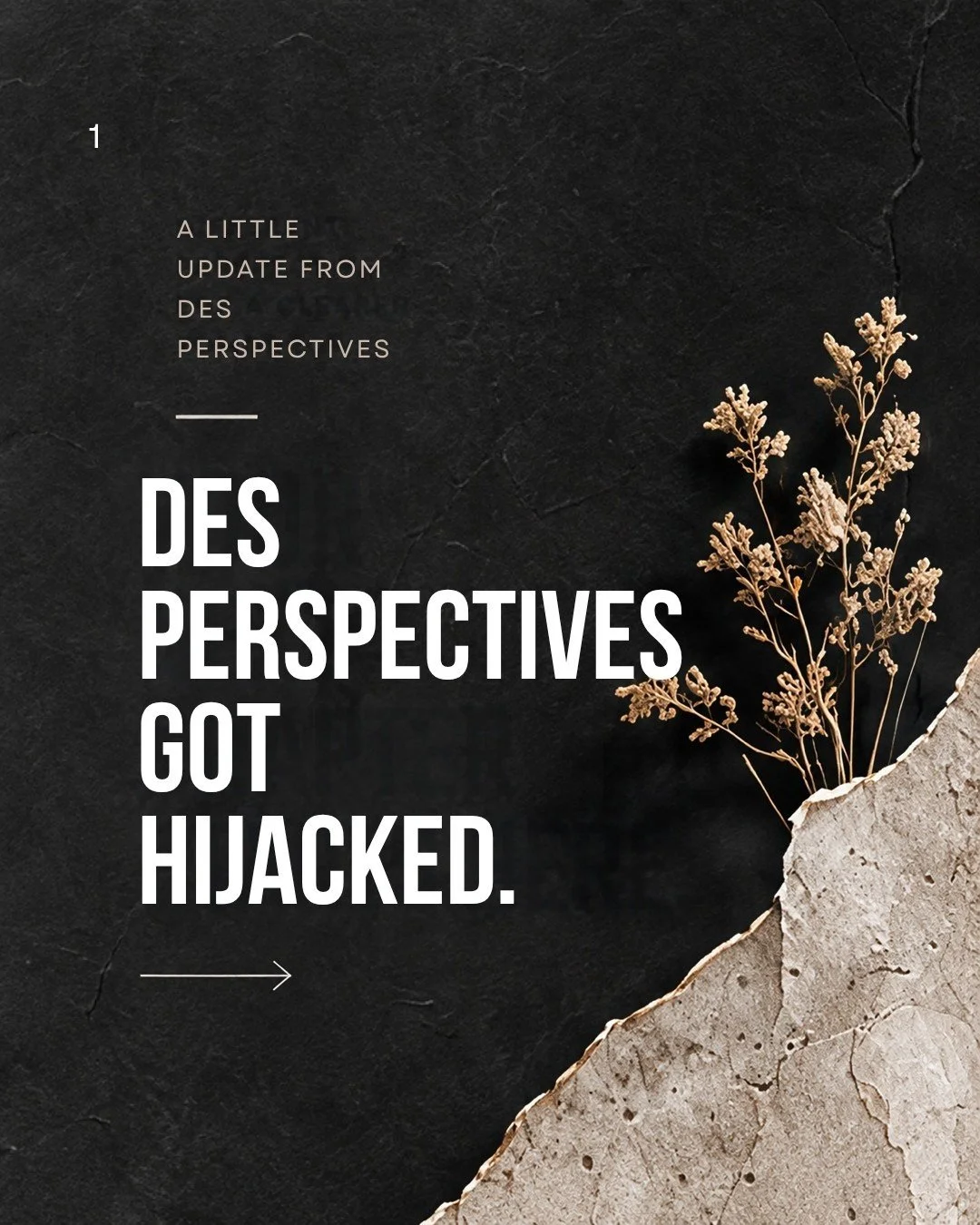
I review a final draft before anything publishes.
Nothing goes out without my blessing.
That setup took 4 to 6 hours a week off my desk. That was the time I used to spend copying, pasting and resizing between apps.
Why I moved off Canva
Canva was good at layouts. It wasn't good at my words.
Every template has an expected amount of text. When a title or a paragraph ran longer than the template planned for, it spilled over, and I had to go in and fix it by hand: shrink the font, trim a line, nudge a box. Not every post, but often enough. Each time I did that, I was still touching the post for formatting reasons, which defeated the point of automating it.
That's the gap I wanted to close. I stopped using Canva for my social media at the end of September, and I haven't opened it for that since.
Version two: Claude Code builds the slides itself
Claude Code can write and run code, so I asked it to take over the design step as well. I gave it a library of slide templates that I own, built as web pages: more than twenty layouts, each in two sizes (square for carousels, tall for Reels), using my own photos and textures.
Here's what it does now:
- Picks layouts by role. I describe what each slide is for (a hook, a list, a quote, a stat, a call to action) and it chooses the layout. I don't hand-place anything.
- Rotates the look. It remembers which covers and layouts the last few posts used and avoids repeating them, so the feed doesn't look like one template stamped over and over.
- Exports finished files. Images for carousels, video for Reels, in the right sizes. No resizing.
- Sends drafts to Metricool. Each post lands as a draft. Nothing publishes until I approve it.
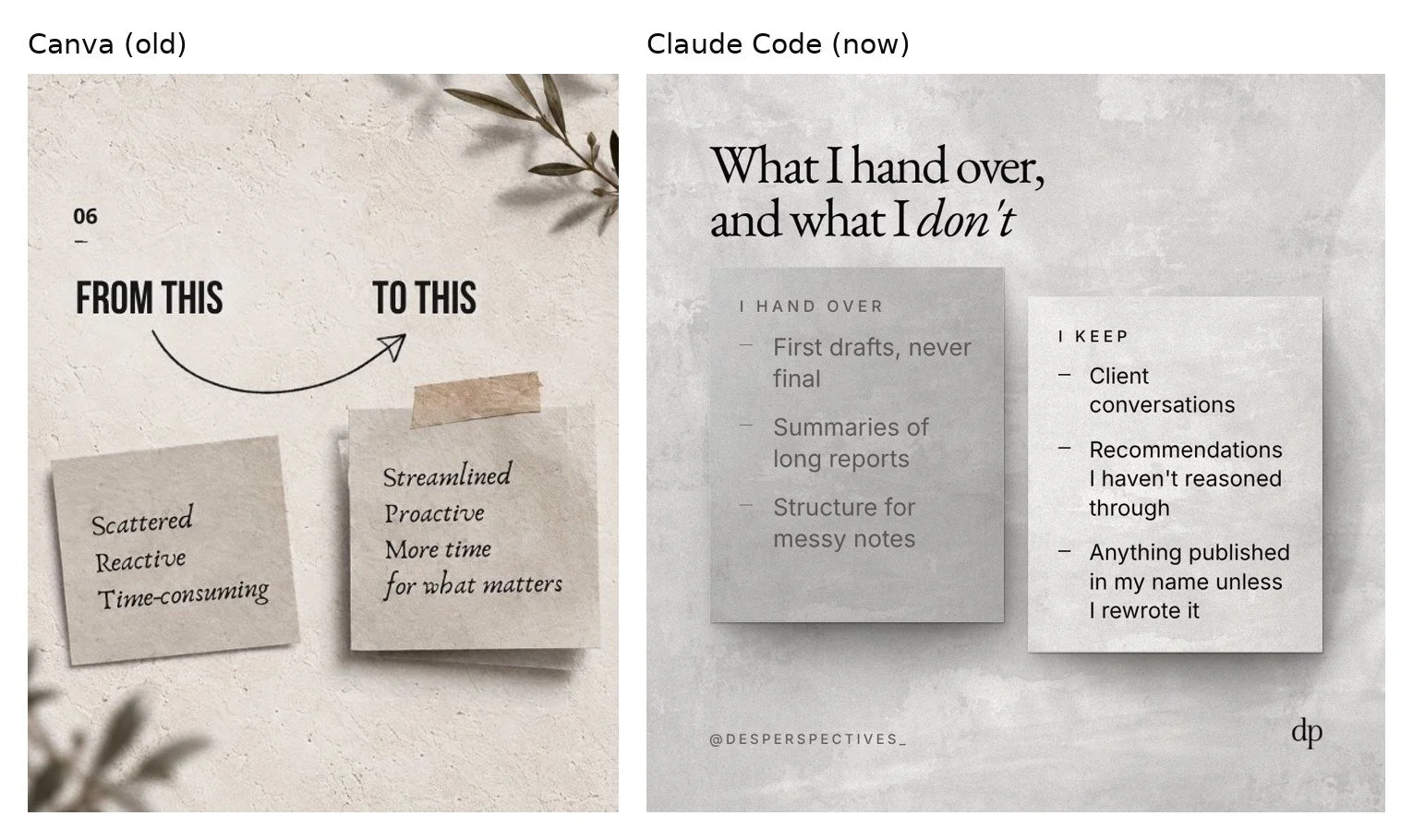
a Before/After comparison between Canva templates and Claude code templates
The biggest difference is the text. In code, Claude adjusts the font size to fit whatever I write. If a headline is longer than the layout expected, it shrinks to fit instead of spilling over. It also tells me when something is too long to look good, so I can shorten it or split it across two slides. That means my edits now are about the wording, not the formatting.
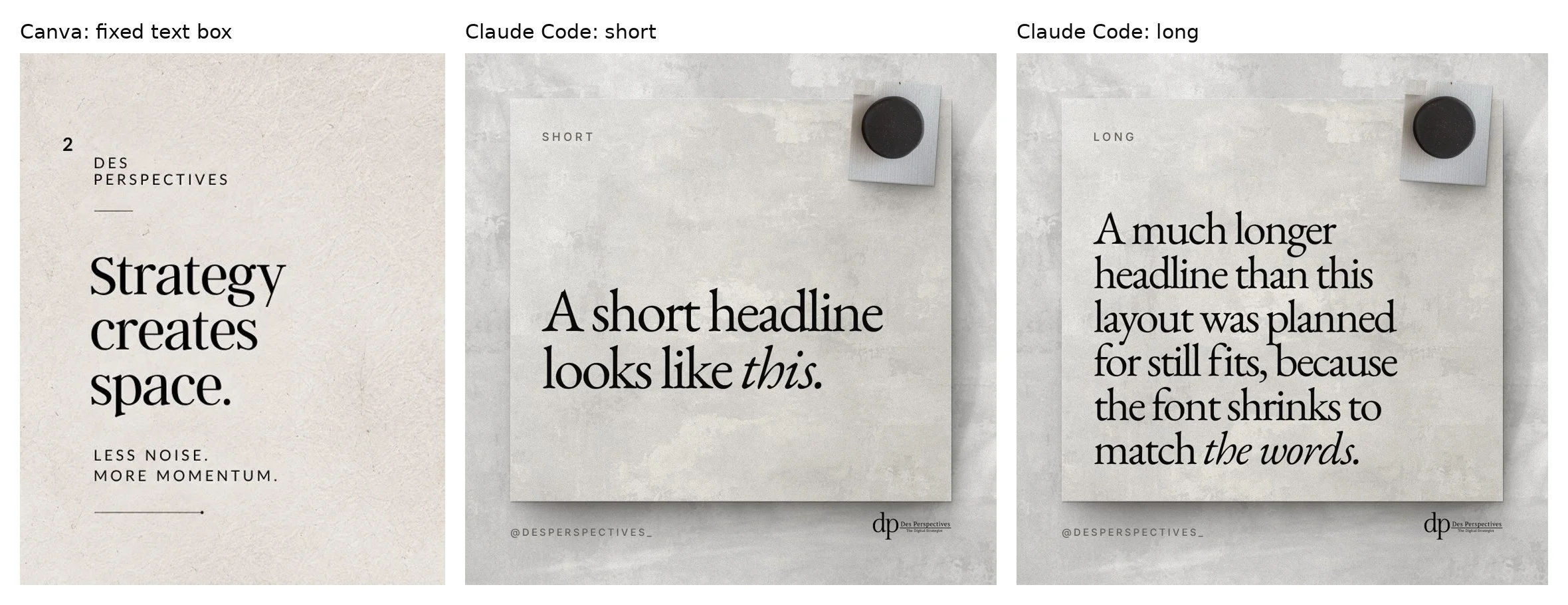
Auto-adjustment of font sizes and text length happens within Claude code.
The templates are also files I own, and Claude can build, check and fix a whole month of posts in one go.
What I got wrong, and what I'm still learning
I'm still learning as I go. A few things didn't work the first time.
Metricool won't take a video file straight from my computer. It wants a public link, so I had to set up somewhere for the files to live before anything could be scheduled. That took more fiddling than I expected.
Early on, too many slides looked the same. That's why the rotation exists.
What I didn't automate
I didn't automate deciding what's worth saying. I didn't automate the final read before a post goes out either. If something sounds off, or says something I wouldn't say out loud, I catch it there.
Automation is good at the repetitive parts. It doesn't know my business, and it'll happily write something confident and wrong. That's why the review stays.
Where the 4 to 6 hours went
I should be honest about this. I didn't end up with a free half-day every week. AI is changing fast enough that I put that time straight back into learning other systems, so I can automate more of my work down the line. The saving is real. It just got reinvested in the next thing.
What it costs to run
Tools like this usually need a paid AI account, somewhere around $20 to $30 a month. Mine is in my name, on my card. If I build something like this for a client, the account is in their name, on their card.
If you post by hand and it's wearing you down
Try this before you buy or build anything. Write down the four jobs, then mark which one you put off the longest. That's the one worth fixing first. For most people it isn't the writing.
If you want to take hours back in your week, tell me about it through the Contact form.