
The Quiet Power of Paper in a World That Won’t Stop Scrolling
There is something almost rebellious about holding paper right now.
In a world where everything refreshes, reloads, updates, and interrupts, print does none of that. It sits still. It waits. It doesn’t demand. It doesn’t compete. It simply exists.
And that existence carries weight.
We are bombarded by digital inputs at every turn. Notifications. Feeds. Ads disguised as content. Content disguised as authenticity. Even the most thoughtfully designed website is still competing inside a browser tab ecosystem that never fully quiets down.
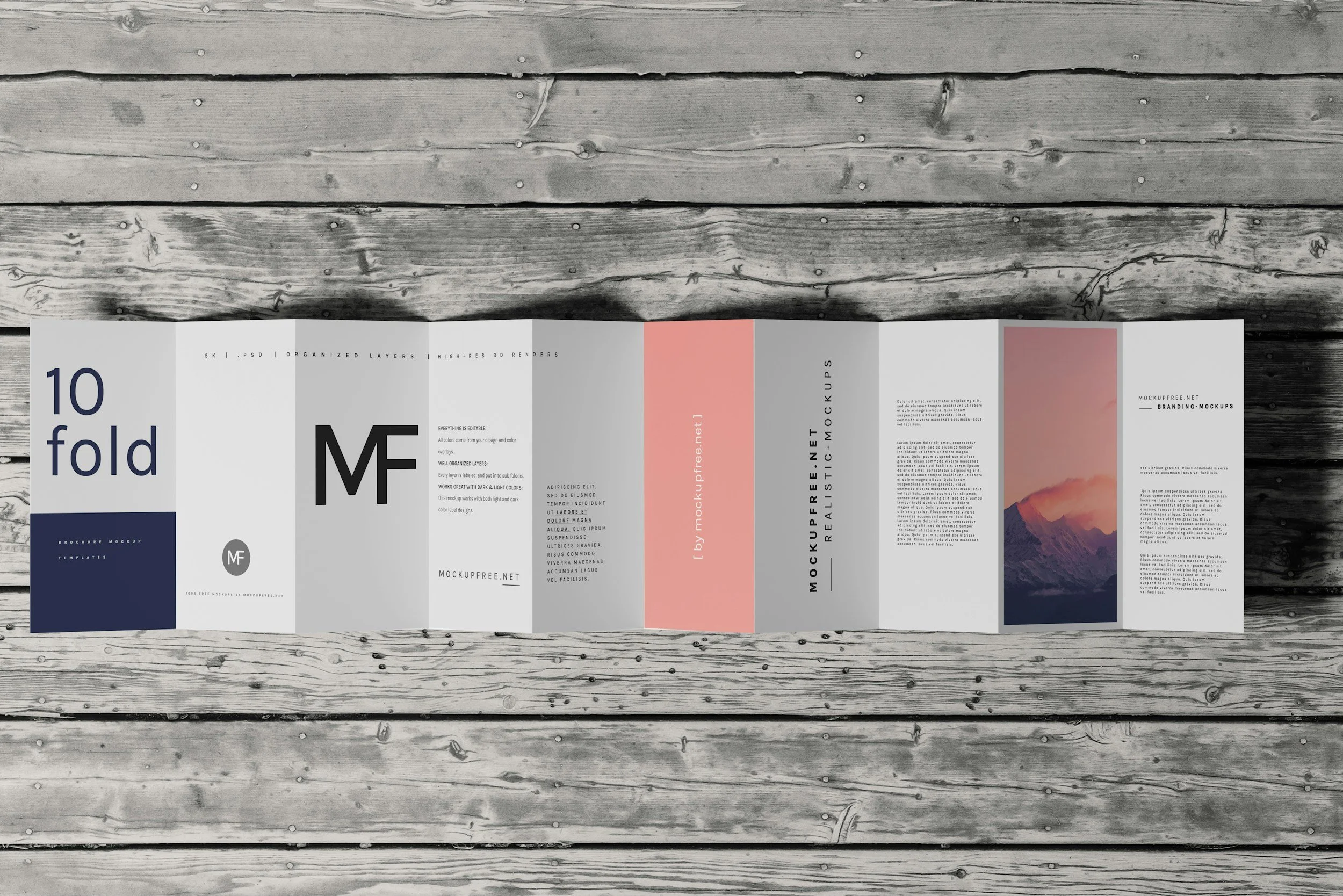
Paper does something different.
It overrides transience.
When you hold a well-designed magazine, a beautifully printed brochure, or a tactile direct mail piece, your nervous system responds differently. There is texture. There is margin. There is permanence. The information is anchored to something physical. It cannot disappear behind a swipe.
That tactile permanence creates memory in a way digital rarely does.
Why Nostalgia Isn’t Just Sentimentality
The pull toward print marketing isn’t about longing for the past. It’s about craving depth in a medium that feels increasingly shallow.
Digital content is infinite. That’s its strength and its weakness. Because when everything is available all the time, nothing feels scarce. And when nothing feels scarce, nothing feels precious.
Print restores friction.
You have to pick it up. You have to turn the page. You have to choose to continue reading. That friction creates intention. And intention creates attention.
There is also a trust layer here. When something is printed, it signals commitment. Budget was allocated. Design was considered. Distribution was planned. That investment reads as seriousness.
Online, publishing is instantaneous. In print, it’s deliberate.
That distinction matters more than we think.
The Transience Problem of Digital Marketing
Digital is powerful because it scales. It tracks. It optimizes. It converts.
But it is also fleeting.
A beautifully designed Instagram post is gone in 24 hours. A website visit might last 90 seconds. An email gets archived. An ad gets skipped.
Digital lives in the realm of velocity.
And velocity is not the same thing as impact.
Marketers have spent years perfecting the science of capture. Hooks. Scroll-stopping headlines. Conversion-optimized layouts. Retargeting funnels.
But the more we optimize for speed, the more attention fragments.
Which brings us to the strategic opportunity.
The Surgical Two-Pronged Approach: Print and Digital Together
This isn’t about choosing print over digital. It’s about sequencing them properly.
If you want attention, design something beautiful and physical.
Make it intentional. Make it tactile. Make it worthy of being held. High-quality paper stock. Thoughtful layout. Clean typography. Something that feels like an object, not a flyer.
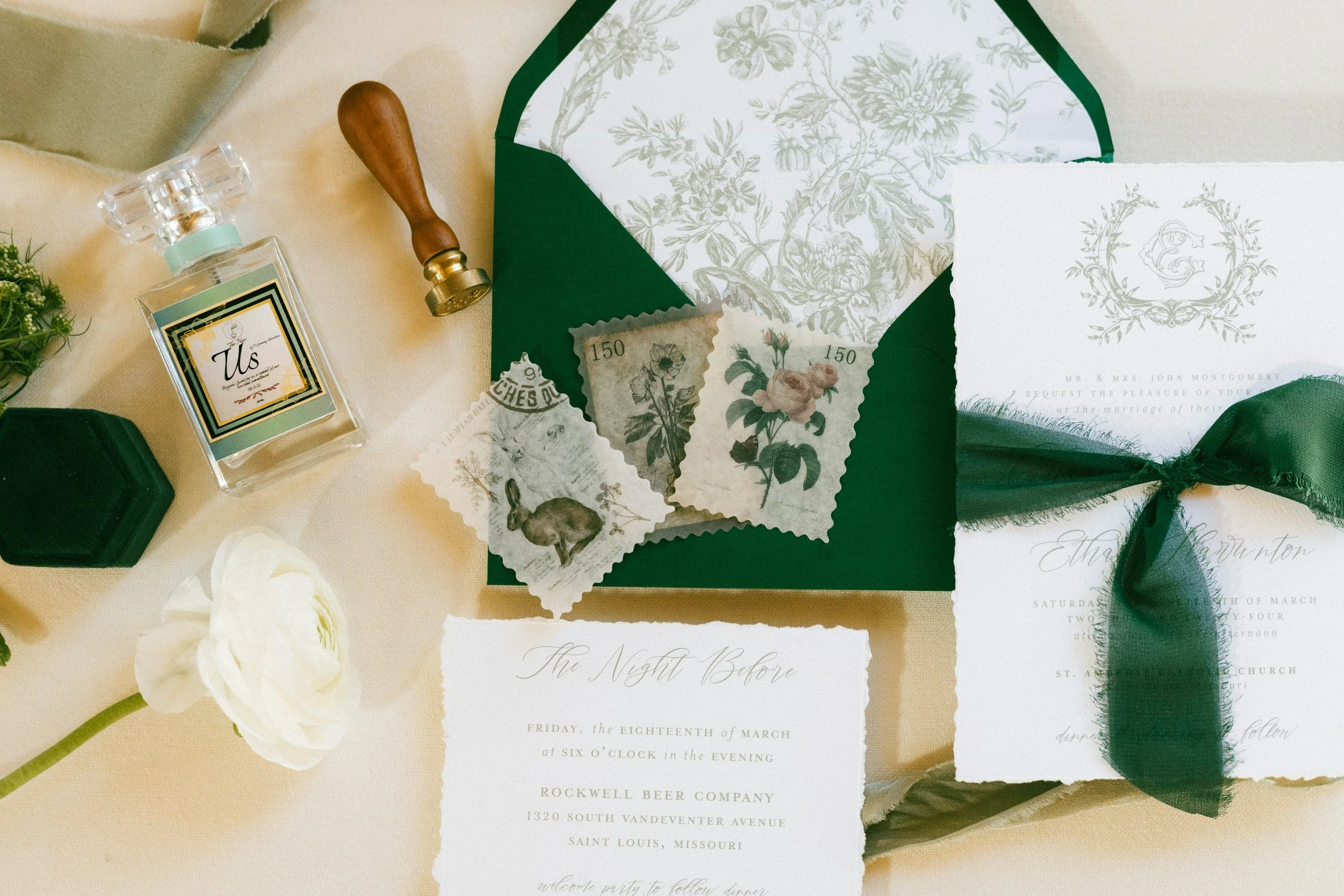
Printed invitation on high quality stock paper and beautiful typography.
Get it into the hands of your customer.
Not as noise. Not as mass spam. But surgically. Targeted. Purposeful. Delivered where it makes sense. Events. Client onboarding kits. High-value prospects. Strategic mail drops.
Print creates the moment.
Digital completes the journey.
The printed piece should not try to close the deal. Its job is to slow the world down long enough for someone to care. Then it directs them somewhere dynamic. A website. A landing page. A QR code. A custom URL.
That’s where digital shines.
The website handles conversion, analytics, personalization, booking flows, e-commerce, CRM integration. It does what paper cannot.
But the paper did something digital struggles to do. It created focus.
Why Combining Print and Digital Works
Because attention is hierarchical. First you must earn it. Then you can optimize it.
Print earns attention through contrast. In a digital-saturated world, physical media stands out precisely because it is not glowing.
Once the user moves online, your digital infrastructure should be seamless. Fast. Clear. Structured. Easy to convert.
The mistake is asking one medium to do both jobs.
Print should create emotional gravity.
Digital should create measurable action.
Together, they create momentum.
The Real Takeaway
Nostalgia isn’t weakness. It’s signal.
It tells us that humans still crave permanence in a world built on refresh cycles. They want to hold something real before they commit to something virtual.
The marketers who understand this won’t abandon digital. But they also won’t ignore the psychological power of paper.
Design something worth keeping.
Then build a digital experience worth continuing.
That’s not old school.
That’s strategy.