
Lessons on Vietnam’s Digital Behaviour
As I sit here in my hotel room in Da Nang, completely buzzed on Vietnamese coffee, I’m writing this post to wait out the downpour that decided to descend on my travel plans. No amount of planning could have predicted the freak weather we encountered in March with this weeklong downpour. Even the Grab drivers said this was weird.
So to make the most of it, I figured I’d write about how digital behaviour here is fundamentally different from North America.
Not better or worse. Just different.
For anyone working in digital marketing, UX, or online business, those differences are fascinating. Here are a few things I’ve been noticing.
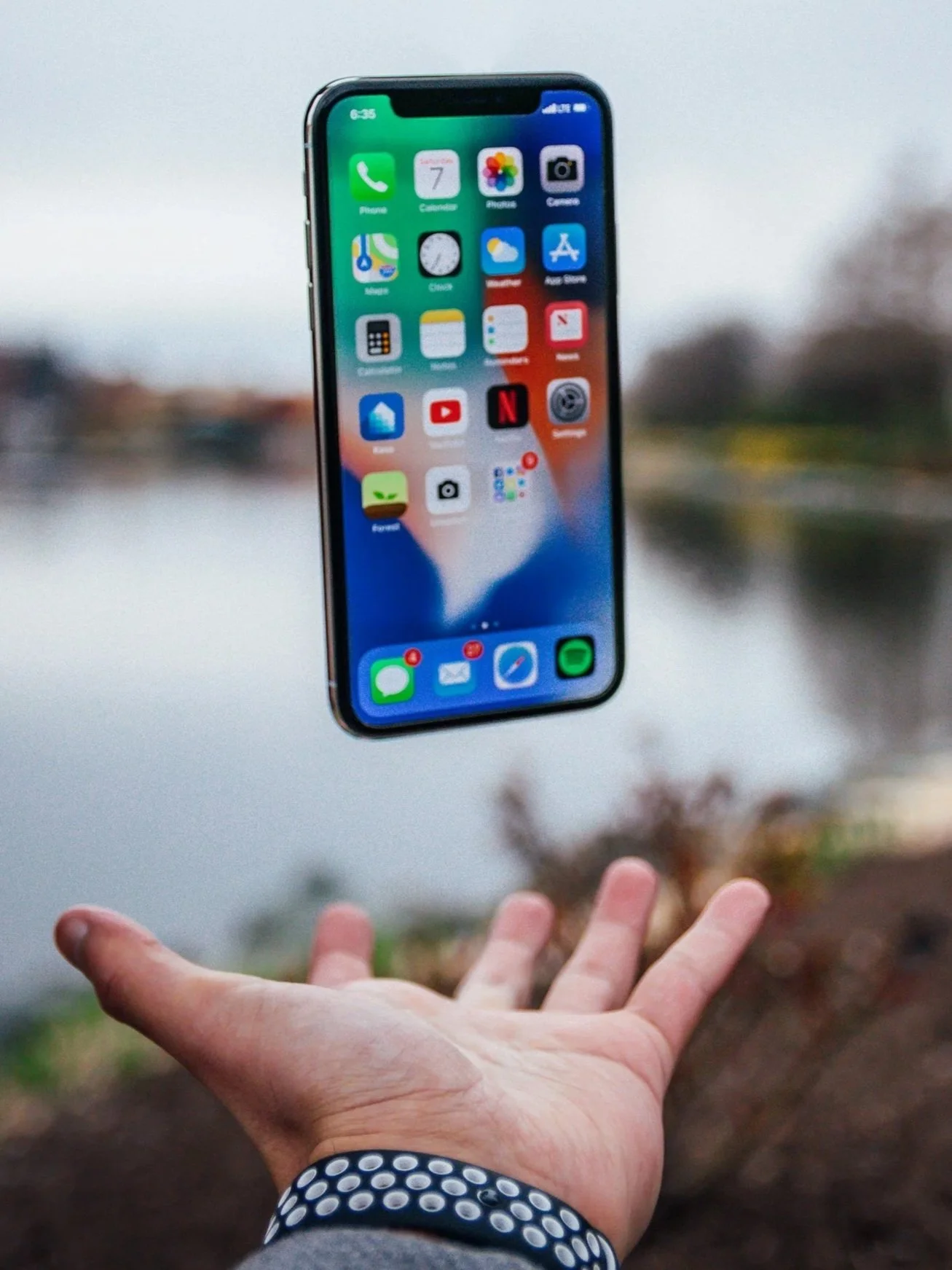
“Mobile-first” is not a trend here.
It’s the default.
In North America, businesses talk about mobile optimization as if it’s a feature. In Asia, it’s just reality. Almost everything happens on phones:
ordering food / rides
paying for products
messaging businesses
booking services
navigating the city
Even roadside restaurants that look very traditional often operate through QR codes and messaging apps. The phone isn’t just a convenience. It’s the entire interface to daily life.
For businesses in Asia, that suggests a paradigm shift from how we run businesses in North America. In a mobile-first business environment, websites matter, but messaging platforms and mobile usability matter more.
In Asia, if your business requires someone to sit down at a desktop to interact with you, you’ve already lost half your audience.
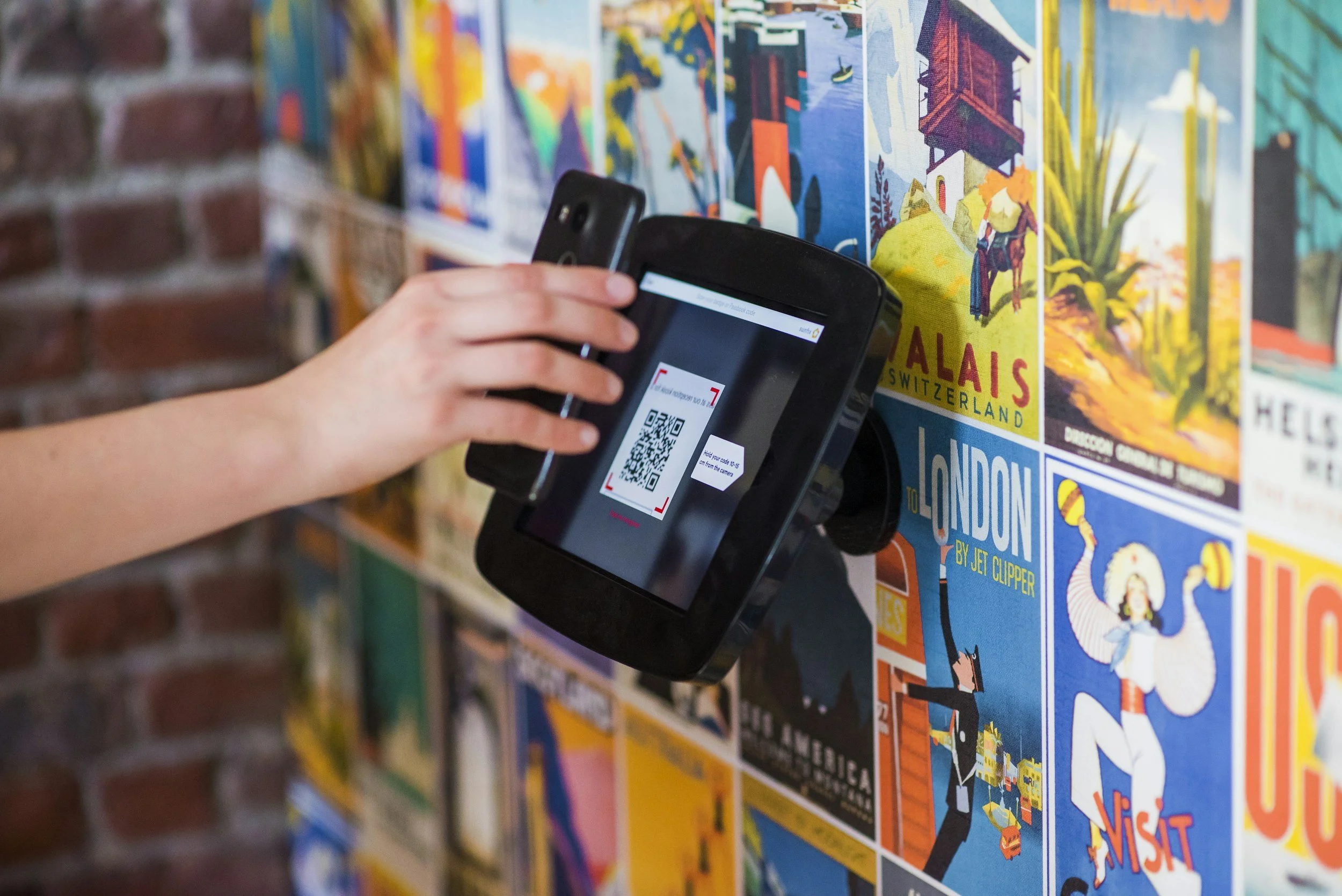
2. QR codes are everywhere
(and people actually use them)
Where North America flirted with QR codes during the pandemic, Asia never stopped using them.
In Vietnam and Thailand, QR codes are integrated into everyday transactions:
• restaurant menus
• payments
• ordering systems
• product information
• marketing materials
But the key difference isn’t the technology. It’s behavior. Locals instinctively scan them without hesitation, whereas tourist are always trying to flag down a server for a menu. In North America, QR codes still feel like a workaround. Here, they feel like infrastructure.
For marketers, that’s an important distinction. Technology adoption isn’t just about tools, it’s about how comfortable people are using them.

3. Design culture is strong
One thing I didn’t expect: the sheer number of beautiful cafes. Not just nice coffee shops, but actually, deliberately aesthetic.
Plants everywhere, soft lighting, textured walls, curated furniture, thoughtful branding.
And almost every table has someone taking photos. These spaces are designed for social media sharing. The experience itself becomes marketing.
That is a reminder that digital marketing doesn’t always start online. Sometimes the most effective strategy is designing something people naturally want to photograph and share.

4. Speed Matters More Than Perfection
Another thing you notice quickly when traveling is how quickly businesses appear and evolve.
A café opens. Three weeks later it has a new sign, updated menu boards, and a new Instagram page.
Businesses iterate constantly. And at a lightning pace.
In North America, we often spend months planning launches, redesigns, or campaigns. And there is reason for that too. The high cost of everything in North America makes making mistakes an expensive lesson. So, business owners are slow-er to make moves.
In Asia, people launch first, improve later.
That mindset has advantages. Perfection slows momentum. Iteration creates momentum.
What works in Vancouver or New York might not work in Bangkok or Saigon. And that’s a useful perspective to bring back into digital strategy. Because even within North America, audiences behave differently than we assume.
Travel is often framed as a break from work. But for anyone working in digital strategy or marketing, it’s actually one of the best ways to observe real user behaviour.
Different environments reveal different assumptions. And sometimes stepping outside your own market is the fastest way to see those assumptions clearly.