
The Three Places Customers Look for You
Most people think "getting found on Google" means one thing: ranking. Climb the results, land near the top, and the customers follow. So they pour their limited time into keywords and blog posts, waiting for the page to do its job.
But by the time someone clicks through to your website, they've already made a handful of small decisions about you, and none of them happened on your site. They happened in the results, in a map, in a little box of reviews they scrolled past on their phone. The website is where they arrive. The judging started well before that.
Getting found isn't one moment. It's a series of small ones, most of which happen before your homepage ever loads.
For service businesses especially, a trainer, a salon, a contractor, a bookkeeper, three of those moments matter far more than the rest. Here's what they are, and how to make sure you're showing up well at each one.
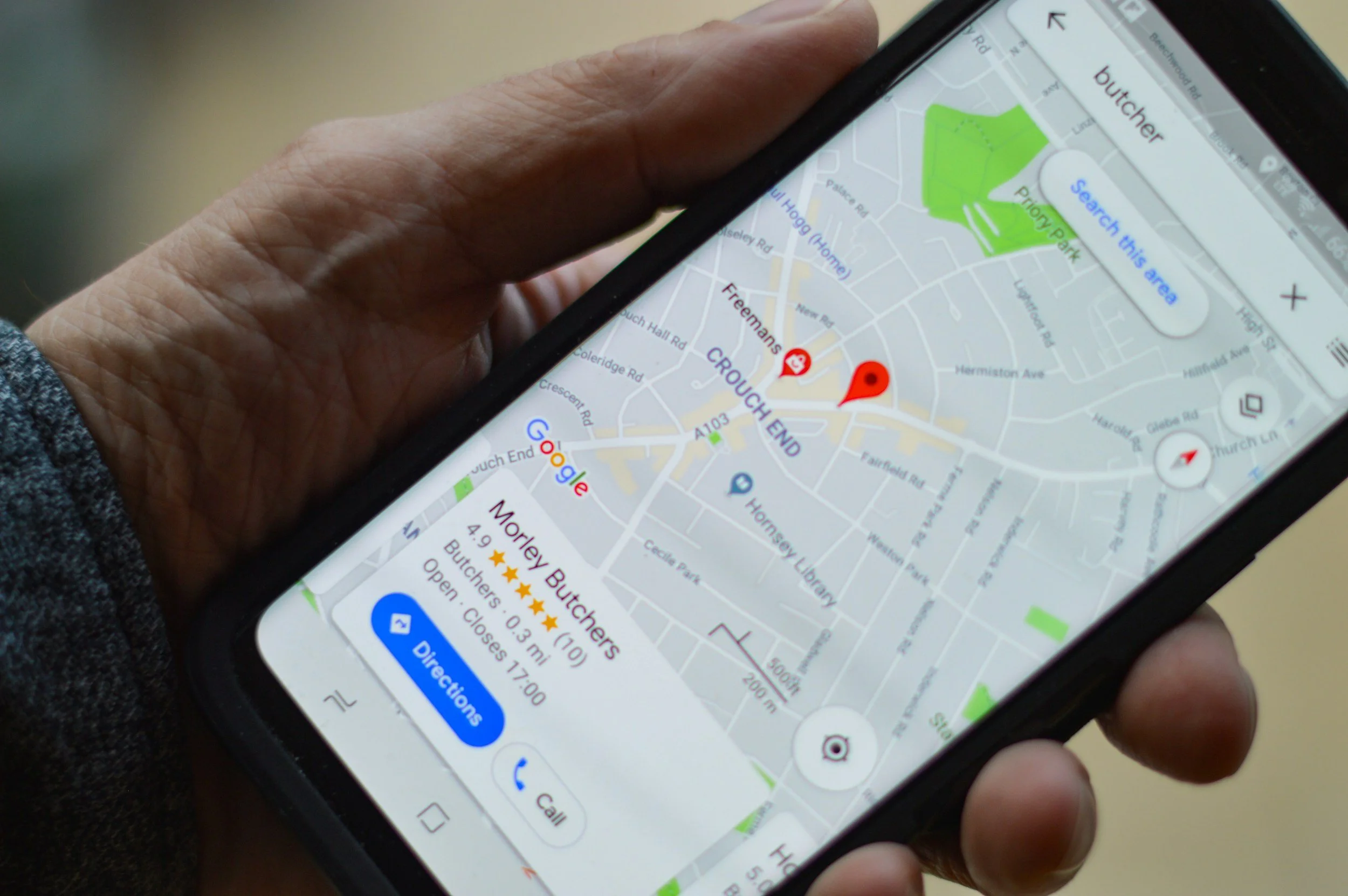
Don’t underestimate the power of your Google Business Profile.
1. The map pack
Search "hairdresser near me" or "bookkeeper in Vancouver" and the first thing you see usually isn't a website at all. It's a map with three businesses pinned under it. That's the local pack, and for a huge share of service searches, it sits above everything else on the page.
Those three spots are pulled from Google Business Profiles, not websites. If you haven't claimed and filled out your profile, hours, service area, categories, photos, a steady trickle of reviews, you're not in the running for the most valuable real estate on the page. You could have the best website in your city and still lose the customer to the three businesses who simply showed up on the map.
Your website can't rank in a box it was never entered into.
If you do one thing this month, make it this: claim your Google Business Profile, fill in every field, and pick the most accurate categories you can.
2. What shows up when someone searches your name
Sooner or later, a customer types your business name directly into Google. Maybe a friend mentioned you. Maybe they saw your van. This is called branded search, and it's the moment someone is most ready to trust you, which makes it the worst moment to look thin.
What comes back? Ideally your profile with real reviews, your site, maybe an Instagram that's clearly active. What you don't want is a stale directory listing with the wrong phone number, two reviews from 2019, or nothing but a Yelp page you've never touched. That gap between "they're interested" and "I can't tell if this business is still alive" is where quiet, ready-to-buy customers slip away.
You can't fully control this page, but you can shape it. Keep your profile current, ask happy clients for reviews, and make sure the basics, name, number, hours, say the same thing everywhere they appear.
3. The one line that decides the click
Say you do rank, and your site shows up in the results. The customer still isn't on your website yet. They're looking at a title and a short description, the blue link and the grey line under it, deciding whether to click you or the next result down.
That snippet is a pitch, whether you wrote it on purpose or not. "Home | Smith Co." tells them nothing. "Bookkeeping for Vancouver trades businesses - flat monthly pricing" tells them exactly whether they're in the right place. Most small business sites leave this to chance and let Google guess. It's one of the cheapest things you can fix and one of the most overlooked.
Write a real page title and description for at least your homepage and your main service page. Say who you help and what you do, in plain words, in the space you've got.
Where this leaves you
None of this is about ranking harder. It's about noticing that "being found" happens across a few small windows, a map, a name search, a single line of text, and that most service businesses are losing people at those windows before the website ever gets a turn.
You don't need to fix all three this week. Pick the one where you're weakest, give it a proper hour, and finish it. Then move to the next. That's how a small business with no spare time actually gets found.
If you're not sure which of these is costing you the most right now, that's exactly what my free SEO audit is for. I look at your site and how you show up around it the way a ready-to-buy customer would, and send you the few things worth fixing first. No jargon, no pitch, just a clear place to start.